
Artificial intelligence has become impossible to ignore.
Every business conversation now includes it. Every pitch deck references it. Every platform is racing to integrate it. The question is no longer whether AI will be used, but how.
That’s where the real risk sits.
AI doesn’t remove responsibility from leaders. It concentrates it.
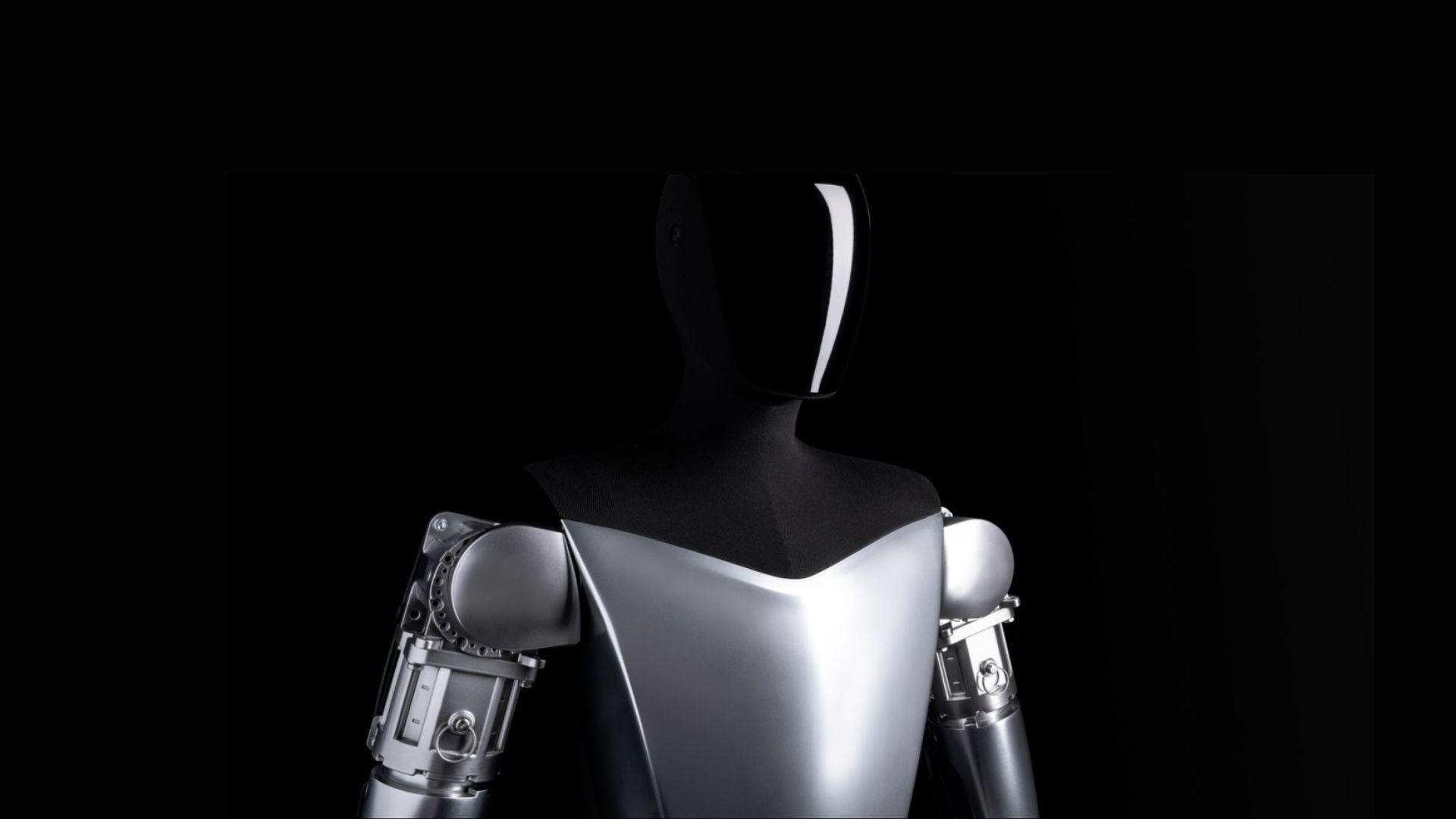
I watched the 2025 Tesla shareholder meeting a few days ago, what stood out wasn’t the technology itself. It was the clarity of ambition. The belief that AI is a force multiplier, not a decision maker. A system that amplifies intent, rather than replaces it.
That distinction matters.
AI scales everything. Speed. Output. Reach. But it also scales confusion, poor judgment, and weak decision making. If a business lacks clarity, AI doesn’t fix that. It accelerates the problem.
This is where much of the current conversation feels naive.
AI is being positioned as a shortcut. Faster content. Faster execution. Faster results. But speed without direction is just momentum in the wrong direction.
As Tristan Harris has consistently warned, the issue isn’t intelligence. It’s incentives. Systems optimise for what they’re told to optimise for. If leaders don’t define clear intent, values, and boundaries, AI will simply pursue efficiency at the expense of consequence.
That’s not a technology problem. That’s a leadership one.
In branding and business, the same rule applies. Tools don’t create clarity. Decisions do. AI can help execute, test, and scale ideas, but it cannot decide what a brand should stand for, who it should serve, or when it should exercise restraint.
Those are human responsibilities.
The danger isn’t that AI becomes too powerful. It’s that businesses use it to avoid making hard decisions. Letting systems optimise instead of leaders deciding.
The companies that will benefit most from AI won’t be the loudest adopters. They’ll be the ones with the clearest thinking. Strong intent. Clear trade-offs. Defined boundaries.
AI doesn’t replace judgment.
It exposes the absence of it.